
If you are planning a kitchen and want a smooth, modern finish without grout lines or joins, microcement is worth a look.
Microcement is a popular choice for kitchens because it creates a seamless, textured finish across benchtops, splashbacks, walls and other feature areas. However, each microcement system offers different finishes and applications. Consider the surface, how you will use it, the look you want and the protective coating before choosing a system.
This guide explores Rockcote’s innovative MicroStone microcement system and why it is a strong choice for Australian homes.
What Is Microcement and Micro Concrete?
Microcement, sometimes called micro concrete, is a thin cement-based coating applied over a prepared surface. It creates a continuous finish without grout lines and can achieve a smooth or textured, stone-like appearance.
Microcement sits over an existing substrate rather than being applied as a solid slab. This makes it a practical option for renovations, where you can use it over suitable existing surfaces without making major structural changes.
The final look depends on the application and finishing technique. You can create a refined, smooth surface or a more textured finish that brings depth and natural variation to the space.
Microcement offers a different finish to standard paint. While textured paint can add colour and texture to walls, microcement creates a more natural, stone-inspired surface.
Introducing Rockcote MicroStone
For projects looking for a microcement finish in Australia, Rockcote MicroStone is a top pick.
MicroStone is Rockcote’s innovative microcement. It consists of a two-part, water-based decorative finish designed to create a seamless, natural stone appearance.
One of its key design features is the ability to create different surface effects. MicroStone can be finished smooth, sanded to expose the stone effect, or textured for a more natural appearance.
Where Can You Use MicroStone in the Kitchen?
Two of the most popular microcement kitchen applications are kitchen and bathroom splashbacks and benchtops. MicroStone can also be applied to:
- Kitchen floors, for a seamless transition from bench to floor
- Kitchen islands, including curved edges and integrated sinks
- Cabinetry and furniture fronts
- Feature walls within an open-plan kitchen and living space
Why People Choose Microcement Finishes
| Why Choose Microcement? | What It Offers |
|---|---|
| Seamless finish | Microcement creates a clean, continuous look without grout lines or joins, helping kitchens maintain a tidy appearance. |
| Design flexibility | You can tint MicroStone with oxides and liquid tints, allowing you to create a finish that suits your chosen colour scheme. |
| Lighter alternative to concrete | Microcement can create the look of concrete without the weight and structural demands of a poured concrete benchtop. |
| Durable once sealed | When properly sealed, MicroStone creates a hard-wearing, water-resistant surface suited to everyday kitchen use. |
Where can MicroStone be used?
Although kitchens are a popular application, MicroStone is not limited to splashbacks and benchtops.
Depending on the system and substrate, it can be used across areas such as:
- Internal walls
- Feature walls
- Floors
- Furniture
- Bathrooms
- Wet areas
- Commercial interiors
- Custom architectural features
The versatility of Rockcote’s MicroStone is one reason Australian microcement projects are using the finish across more than one surface in homes and commercial spaces.
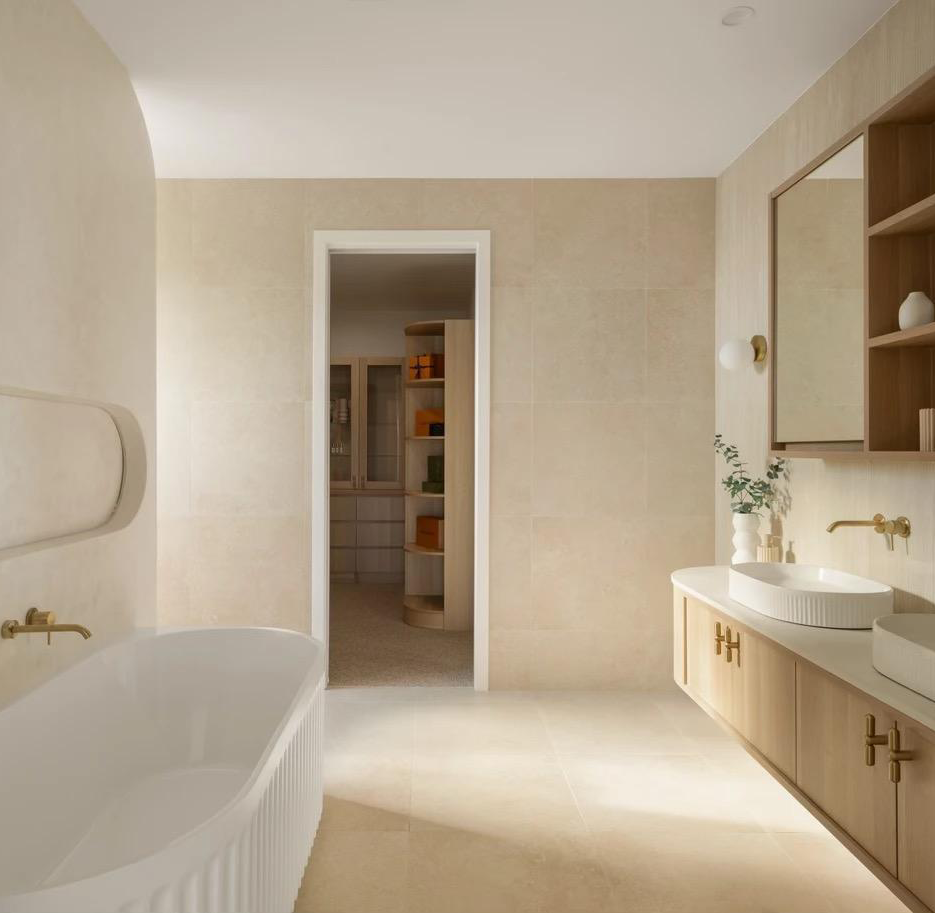
Where to Get Microcement in Australia
Rockcote MicroStone is available through Rockcote distributors and trade hubs as a microcement solution for both residential and commercial projects. If you are planning a kitchen renovation or new build, it is worth speaking with an accredited MicroStone applicator early in the design process. This helps make sure your project lines up with the substrate, colour and finish you have in mind.


How MicroStone Is Applied
MicroStone is a skilled trade, and getting a smooth, long-lasting result depends on correct preparation and application. A general overview of the process looks like this:
- Surface preparation. The substrate is cleaned, dried and primed so the microcement bonds properly.
- Base coat. A base layer is applied to build strength and prepare the surface for the microcement layers.
- Microcement application. MicroStone is trowel-applied in thin layers to build up the finish.
- Finishing. Depending on the chosen look, the surface is left smooth, sanded back, or textured.
- Sealing. The surface is sealed to improve water resistance and durability, ready for daily kitchen use.
Because each step affects the final result, it is worth engaging a professional applicator trained in the MicroStone system, rather than treating it as a DIY paint job. A trained applicator understands how to manage drying times, layer thickness and sealing, which all affect how the finished benchtop or splashback performs over time.
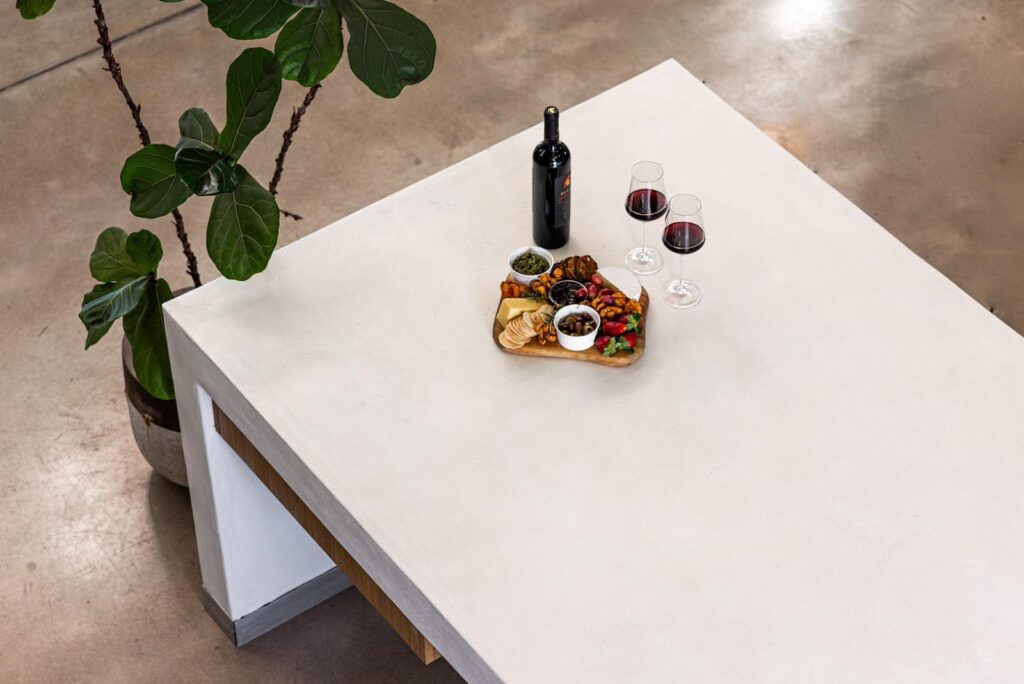
Is MicroStone right for your kitchen?
For homeowners, architects, builders and applicators looking for a seamless, stone-inspired surface, MicroStone offers a flexible alternative to conventional kitchen finishes.
It can create a refined concrete or natural stone appearance across suitable surfaces, while the range of compatible finishing systems allows the specification to be matched to different applications.
For kitchen splashbacks and benchtops, the key is not simply choosing a microcement product. It is choosing the right complete system, preparing the substrate correctly and having the finish applied by someone with the appropriate experience.
FAQs
Is microcement suitable for kitchen benchtops?
Yes. Once properly applied and sealed, microcement such as Rockcote MicroStone creates a durable, water-resistant surface suited to the daily use a kitchen benchtop receives.
What is the difference between microcement and micro concrete?
The terms are often used interchangeably in Australia. Both describe a thin, cement-based coating applied over a prepared surface, rather than a poured concrete slab.
Can microcement be applied over existing tiles?
It depends on the condition and preparation of the surface. MicroStone is suitable for properly primed and prepared substrates such as cement render, concrete, cement sheeting and plasterboard. A qualified applicator can assess whether your existing surface is suitable.
Does microcement need to be sealed?
Yes. Sealing is an important step in the application process. It gives the surface its water resistance and durability, which is especially important for splashbacks and benchtops. Rockcote offers a range of sealers, with the appropriate sealer selected depending on the MicroStone system, application and project requirements.
Can microcement be coloured to match a kitchen design?
Yes. Rockcote MicroStone can be tinted using oxides and liquid tints, giving a range of colour options to suit different kitchen designs.
Can I apply microcement myself?
Microcement is a specialist, hand-applied finish designed for experienced application and use. Professional application is recommended for kitchen benchtops, splashbacks, wet areas and shower recesses, floors, etc. to ensure the substrate is prepared correctly and the complete system is applied in accordance with the manufacturer’s specifications and technical requirements.