
Wabi Sabi interior design is built around a simple but powerful idea. Beauty does not come from perfection. It comes from authenticity, natural materials, and the subtle changes that happen over time.
For interior designers and architects, this approach offers a more thoughtful way to create spaces. Wabi Sabi invites a soft and grounded aesthetic shaped by texture, simplicity, and natural materials.
This is one reason our Rockcote Natural Materials continue to hold such a strong appeal. They bring depth, movement, and character that synthetic finishes often struggle to replicate. Natural materials help create interiors that feel calm, considered, and connected to their environment.
At Rockcote, this way of thinking sits alongside our Natural Materials Range. Our natural materials range brings warmth and texture to interior and exterior surfaces.
What is Wabi Sabi in interior design?
Wabi Sabi is a Japanese philosophy that finds beauty in imperfection, simplicity, and the passage of time. In interior design, it appears through natural materials, neutral palettes and textured finishes. It makes spaces feel balanced rather than over styled.
Instead of hiding variation, Wabi Sabi allows it to become part of the design. A wall may carry soft tonal shifts, or a finish may deepen over time, but these qualities are not flaws. They are part of what gives the space its character.
This makes Wabi Sabi relevant for designers looking to move beyond purely decorative choices. Wabi Sabi design encourages designers to choose materials that feel natural, timeless, and built to last.
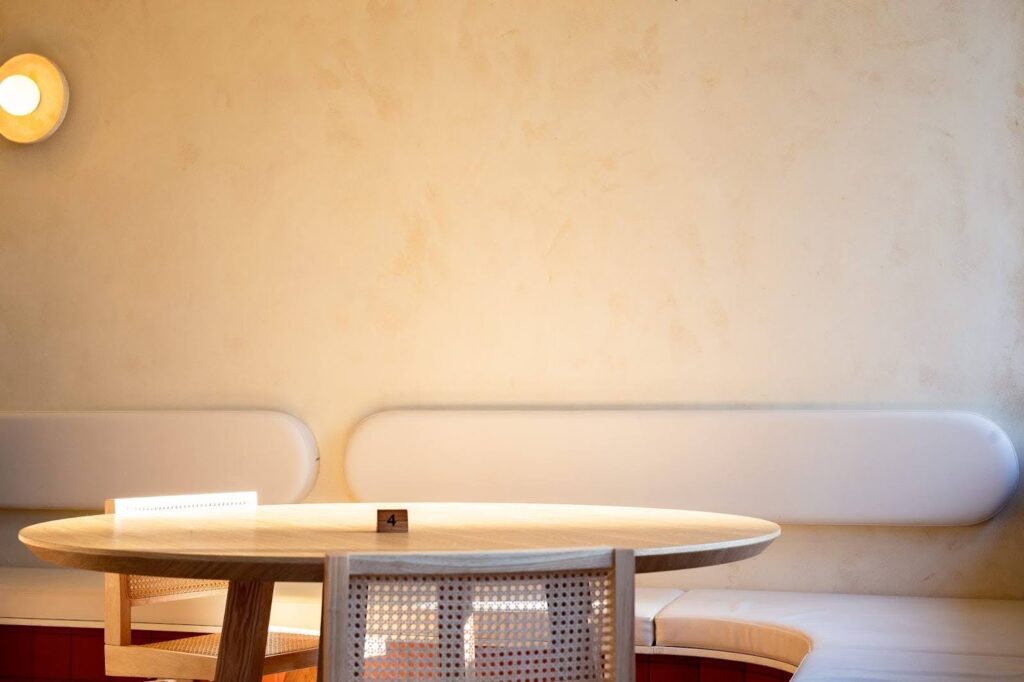
Why Natural Finishes matter in Wabi Sabi spaces?
Material choice is central to Wabi Sabi interior design. How surfaces react to light, touch, and time shapes the look and feel of a space more than the colour.
Rockcote Natural Finishes are well-suited to this because they offer:
- a more organic result
- depth and texture without feeling overworked
- subtle movement across the surface
This is where Rockcote Lime Plaster stands apart. It does not aim to be perfectly flat or uniform. Instead, it creates surfaces with softness and variation, helping a room feel more layered and lived in.
The natural world inspires Rockcote’s Natural Material’s range with the same quality in mind. The range supports projects that value both strong design and a more responsible approach to materials.
The role of Rockcote Lime Plaster
For projects exploring Wabi Sabi interior design, Rockcote Lime Plaster is a natural fit. Rockcote Lime Plaster is a premium, fine-grained lime-based plaster designed for both interior and exterior applications. It brings a quiet sense of depth and character to any surface.
Rockcote Lime Plaster creates a variation that gives Wabi Sabi inspired spaces their appeal. The Lime Plaster can be shaped into smooth float finishes and decorative hand-worked textures. This allows interior designers and architects to shape the final rather than a flat or uniform finish.
Its breathable mineral composition also means the surface responds to the environment around it. That responsiveness is part of what gives Lime Plaster its natural beauty and long-term character.
Why surface variation is part of the beauty
Many people ask why Rockcote Lime Plaster can look patchy outdoors after rain or in humid weather. The answer is simple.
Lime Plaster is a breathable mineral finish, so it naturally absorbs moisture from the air and rain. As it absorbs water, some areas may look darker than others for a short time. Once the surface dries, it returns to its original colour.
This is a natural characteristic of authentic lime finishes.
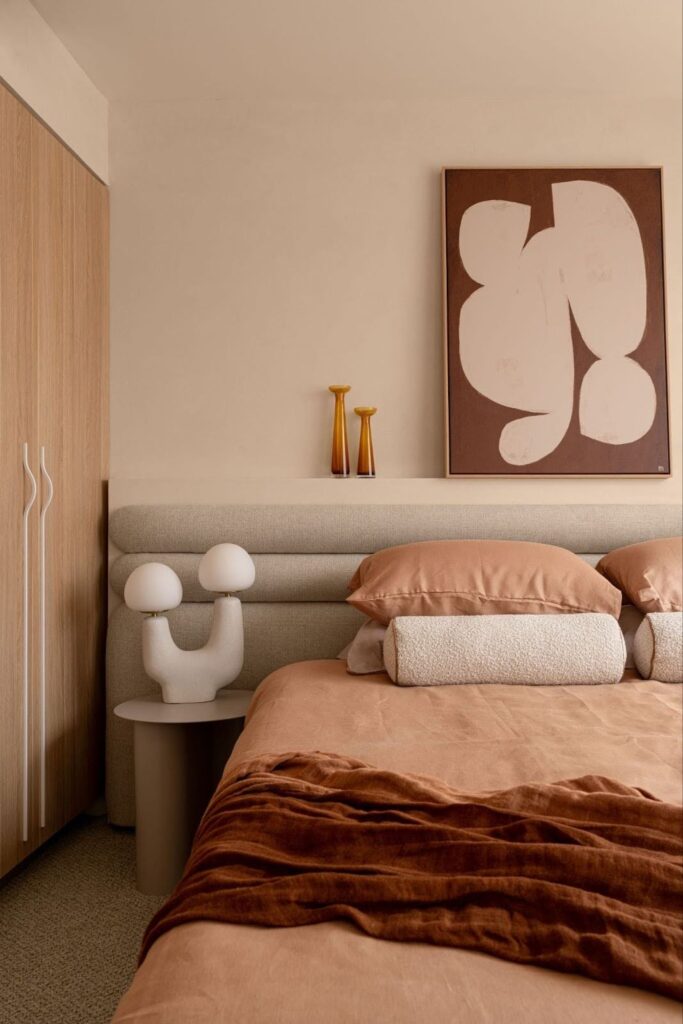
Over time, Lime Plaster develops natural colour changes and texture. These subtle changes add warmth and character to every surface, making each one unique. Unlike synthetic finishes that stay flat and uniform, Lime Plaster continues to age naturally. It carries a sense of movement adding to its timeless character.
This is what makes it such a good fit for Wabi Sabi design. Wabi Sabi values natural materials that tell a story over time. It celebrates surfaces that change, age, and become more beautiful through everyday life.
For designers working within a Wabi Sabi framework, the finish is not fighting against nature, it is responding to it.
Designing with Wabi Sabi in mind
Wabi Sabi interior design is about making thoughtful material choices and allowing the materials to speak for themselves.
A few principles can help shape that approach:
Let materials do the work
Choose finishes that already carry texture, warmth, and depth. Decorative coatings like Lime Plaster and Otsumigaki can all add visual richness without the need for excessive layering.
Prioritise atmosphere over perfection
Wabi Sabi-inspired spaces tend to feel calm because they are not overly polished. A finish with natural variation often feels more inviting than one that is perfectly even but lacks character.
Allow for softness and restraint
When the colour palette is kept soft and simple, texture becomes more noticeable. Rather than relying on contrast or ornament, the focus shifts to how the surface feels and how it changes throughout the day.
Think long term
Materials that age well tend to suit Wabi Sabi interiors best. Instead of wearing out, they gain depth and personality as they settle into the space.
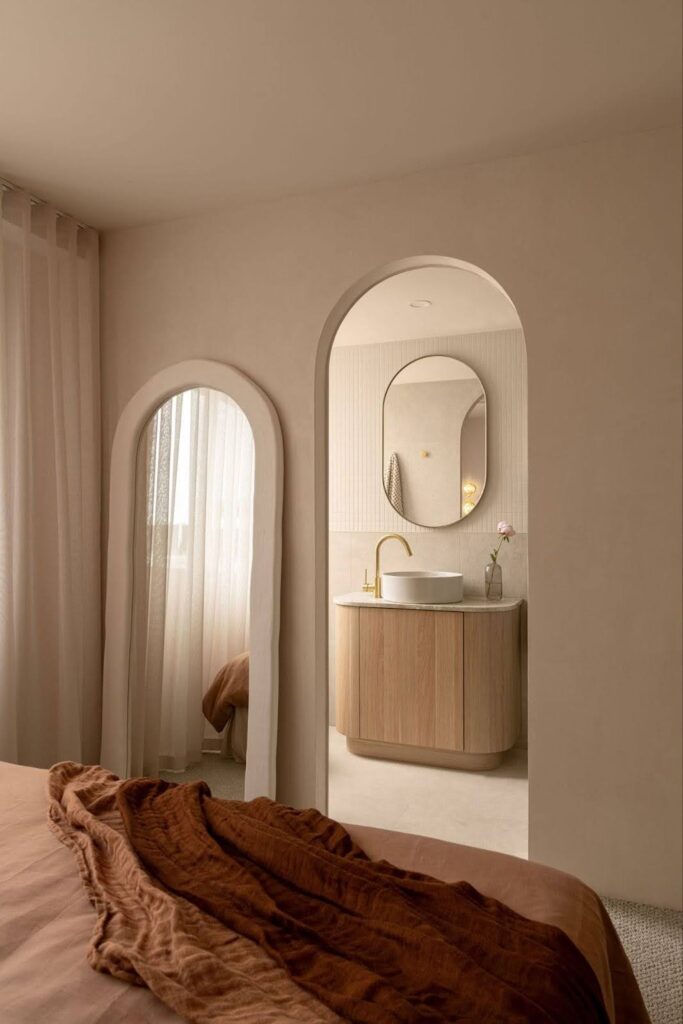
A more responsible material approach
Wabi Sabi values simple design and natural materials. It encourages people to choose finishes that feel closer to nature instead of relying on synthetic products.
Rockcote’s Natural Materials Range follows the same approach. Every product is made from natural ingredients and designed for low-impact living, helping reduce the overall impact of a project.
This includes:
- no dangerous chemicals or Volatile Organic Compounds (VOC)
- no lingering odour or off-gassing
- low embodied energy across the product lifecycle
- materials that are fully recyclable and able to return to the earth after use
For designers and architects, these qualities matter. By choosing these materials, designers can create projects that look grounded, refined, and carefully considered.
Where this interior design style works best
Wabi Sabi interior design can be applied across many different project types, from quiet residential spaces to more refined commercial environments.
Residential interiors
Living areas, bedrooms, and transition spaces can all benefit from finishes that soften the room and create a more settled atmosphere. Lime Plaster works especially well where the goal is to add depth without overwhelming the architecture.
Boutique hospitality spaces
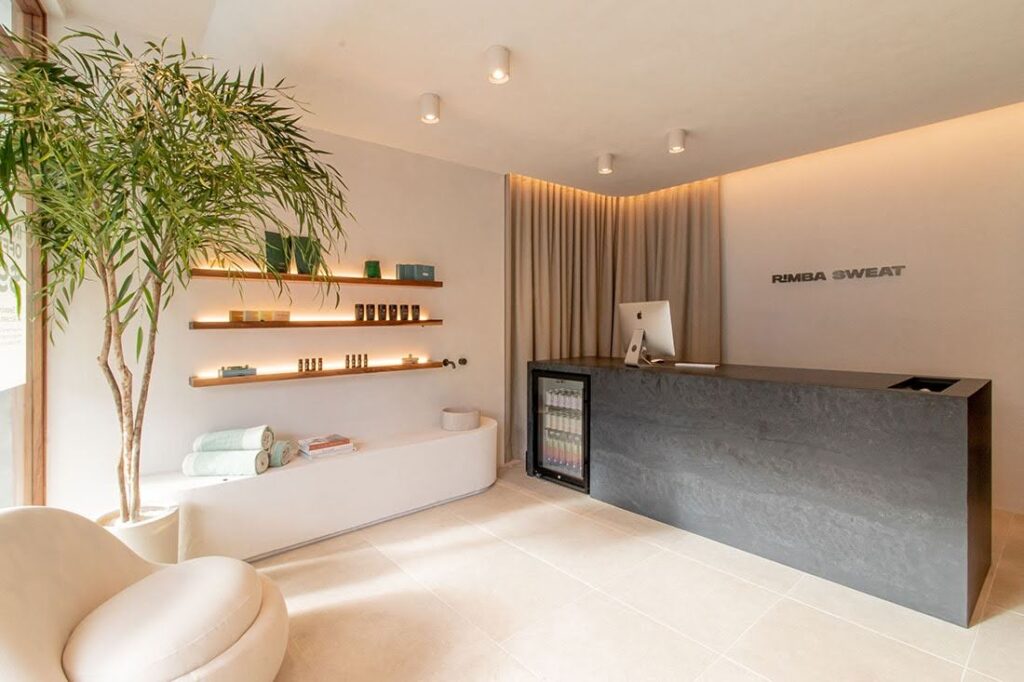
Restaurants, accommodation projects, and wellness spaces often suit Wabi Sabi principles because the finish helps shape how the space feels, not just how it looks.
Feature walls and architectural details
Curves, niches, fireplaces, and statement walls can all become stronger design elements when finished with natural materials that carry movement and subtle variation.
Bringing it all together
Wabi Sabi continues to resonate because it offers something many spaces are missing: a sense of calm and honesty. A sense that materials are allowed to be what they are.
For interior designers and architects, this creates an opportunity to specify finishes with more depth and meaning. Instead of aiming for uniformity, the focus shifts towards surfaces that feel natural and timeless.
That is why Rockcote Lime Plaster is a perfect alternative. As part of Rockcote’s Natural Materials range, it supports spaces that feel down-to-earth, and connected to their surroundings. They do not rely on artificial perfection. They create beauty through texture and movement.
FAQs
Why does Rockcote Lime Plaster suit Wabi Sabi interiors?
Rockcote Lime Plaster suits Wabi Sabi interiors because it creates a breathable mineral finish with natural depth, softness, and tonal variation. It can create a range of finishes, from smooth surfaces to textured designs. This makes it a great choice for spaces that celebrate natural beauty.
Why can Rockcote Lime Plaster look patchy when it rains?
When used externally, Rockcote Lime Plaster may temporarily deepen in tone during rain or high humidity as it absorbs moisture. As it dries, it returns to its original colour. This is a normal characteristic of breathable lime finishes and part of the natural patina that develops over time.
Is Rockcote Lime Plaster only for interior spaces?
No. Rockcote Lime Plaster is suitable for both interior and outdoor applications when paired with the correct system. It gives designers and architects flexibility across a wide range of project types.
Can Rockcote Lime Plaster achieve different looks?
Yes. Rockcote Lime Plaster supports a variety of finish techniques, including smooth float finishes, sponge finishes, Japanese trowel finishes, and other decorative textures.
What are the three principles of Wabi Sabi?
While there is no single list of Wabi Sabi principles, three ideas are widely associated with the philosophy:
– Imperfection – Beauty can be found in natural variation rather than flawless finishes.
– Simplicity – Simple spaces and carefully chosen materials create a calm, balanced environment.
– The passage of time – Natural materials develop character as they age, adding warmth and authenticity to a space.
These principles help shape interiors that feel relaxed, timeless, and connected to nature.