
When planning the exterior of a home, colour plays a major role in the final look and feel. From modern homes to coastal properties and classic family houses, the finish can have an impact on the overall look of a home.
Unlike traditional cement render that requires painting afterwards, coloured render combines texture and colour in one finish.
For homeowners, builders, architects and applicators, colour rendering offers flexibility in design while helping create a cohesive and durable exterior finish.
What is Colour Rendering?
So what is colour rendering? To understand what colour rendering is, it helps to first understand what rendering itself involves.
Render is a coating applied to walls to create a decorative or protective finish. It can be smooth, textured, natural-looking, contemporary or highly architectural depending on the product and application method.
Coloured renders refers to render products that already contain pigment or colour throughout the coating system. Colour renders are available in a wide range of tones, textures and finishes, making them suitable for many different home styles.
Why is Colour Rendering Popular for Homes?
Colour rendering has become increasingly popular because it offers more design freedom than traditional painted exteriors.
A well-chosen colour render house finish can help create:
- A modern architectural appearance
- A softer natural aesthetic
- Strong contrast between materials
- Greater street appeal
- A seamless finish across multiple surfaces
For many homeowners, coloured render makes the finishing process easy by reducing the need for separate painting systems in some applications.
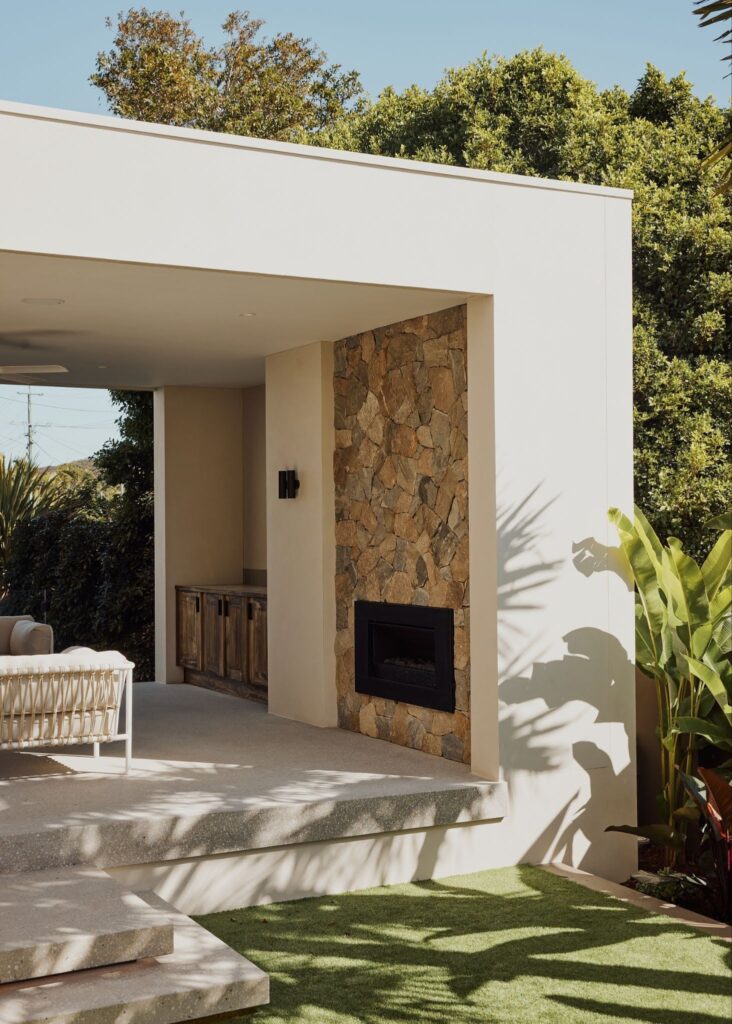
Choosing the Right Colour Rendering House Finish
One of the biggest challenges for homeowners is selecting colours that will still feel timeless years from now.
When considering a colour rendering house finish, it is important to think about:
The Style of the Home
Different house styles suit different render colours.
For example:
- Contemporary homes often use whites, greys, charcoals and muted neutrals
- Coastal homes commonly feature soft whites, warm sands and light greys
- Natural or earthy homes may suit clay tones, stone-inspired colours and mineral finishes
- Traditional homes can work well with warm creams, taupes and balanced neutral tones
The goal is to select colours that complement the architecture rather than overpower it.
Surrounding Environment
The environment around the property can influence how colours appear.
Natural light, landscaping, neighbouring homes and building materials all affect the final result. A colour that looks soft indoors may appear much brighter on a large external wall in full sunlight.
This is why many designers and builders recommend viewing samples outside before making a final decision.
Roofing, Windows and Other Finishes
Your render colour should work cohesively with other external materials including:
- Roof colours
- Window frames
- Garage doors
- Cladding
- Stone features
- Timber accents
A balanced palette usually creates a more refined and considered exterior.
Popular House Render Colours in Australia
While trends evolve over time, some house render colours consistently remain popular because of their versatility.

White and Off-White Renders
Soft whites and warm whites remain a common choice for Australian homes.
They suit a wide variety of architectural styles and work particularly well with timber, stone and black window frames.

Grey Render Finishes
Grey tones continue to be widely used for modern and minimalist homes.
Light greys can create a softer contemporary look, while darker charcoals often add contrast and depth.

Earthy and Natural Tones
Many homeowners are now moving toward warmer, natural-inspired palettes.
Clay colours, sandy neutrals and mineral tones can help homes feel more connected to the surrounding landscape.

Dark Render Colours
Dark finishes can create a striking appearance when used thoughtfully.
However, darker colours may absorb more heat and can appear more dominant across large surfaces, they are often balanced with lighter materials or feature elements.
What to Consider Before Choosing a Home Colour Render
Before selecting a home colour render, it is worth thinking beyond trends alone.
Longevity
Choose colours you are likely to still enjoy years into the future. Highly trend-driven colours may date more quickly than balanced neutrals or natural palettes.
Maintenance
Some colours and textures may show dirt, dust or marks more easily than others. Lighter finishes can brighten a home, while mid-tone colours may help disguise surface marks over time.
Texture
Colour and texture work together closely in rendering systems. A smooth finish can appear more modern and refined. Textured coatings may create greater visual depth and help soften larger wall areas.
Product Compatibility
Not all render systems are suited to every substrate or application.
Builders and applicators need to ensure the selected render system is appropriate for the wall type, weather conditions and project requirements.
Coloured Rendered Houses and Modern Design Trends
Many coloured rendered houses today combine multiple materials rather than relying on a single finish throughout the exterior.
Some common combinations include:
- Render with timber cladding
- Render with natural stone
- Render with feature brickwork
- Smooth and textured finishes together
- Contrasting light and dark render sections
This layered approach can create a more visually balanced and architectural result. Architects and designers often use render colour strategically to highlight different forms and shapes within the home.
How to Choose Rendered House Colours That Work Together
Choosing rendered house colours can feel overwhelming when there are so many options available. A practical approach is to start with a limited palette.
Many successful exterior colour schemes use:
- One dominant base colour
- One secondary feature colour
- One accent tone for trims or details
Keeping the palette simple often creates a cleaner and more timeless result. Gathering inspiration from completed projects can help visualise how colours work together in real applications.
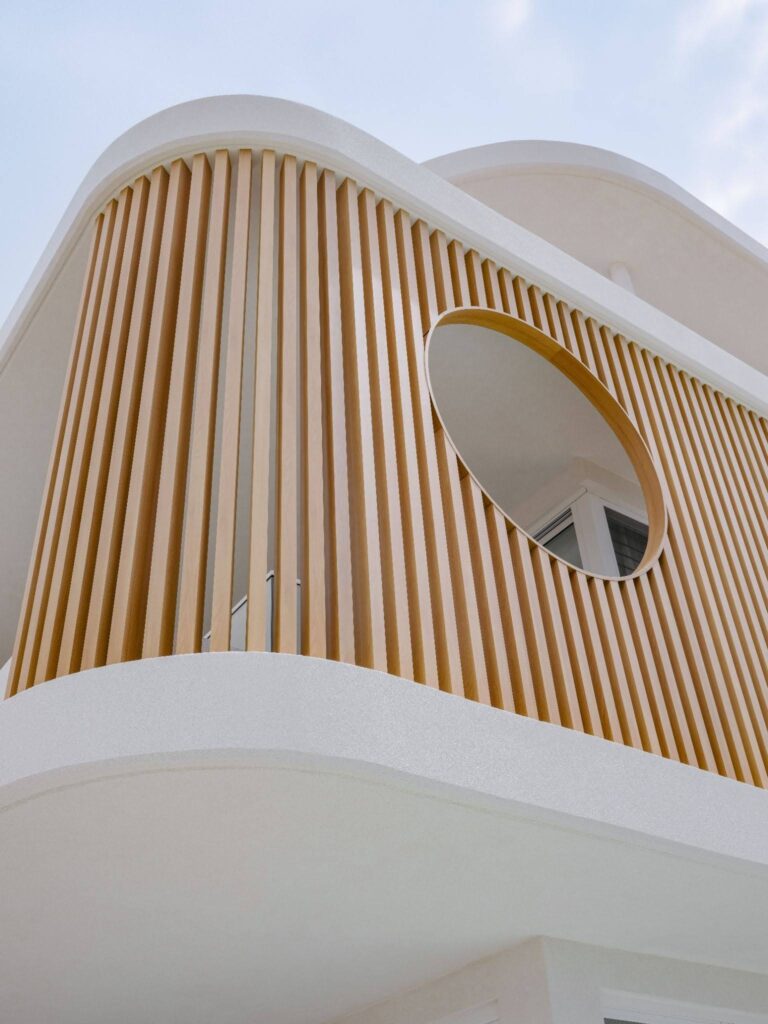
What is Colour Rendering Compared to Traditional Paint?
People often confuse rendering versus painting a house, but they are different finishing systems.
Paint colour is a coating over an existing surface. Colour rendering involves applying a render or textured coating system that creates both the texture and colour appearance together.
Depending on the system used, colour render can offer:
- A more textured finish
- Greater surface depth
- A more architectural appearance
- Different aesthetic outcomes compared to paint alone
The right choice depends on the style of home, the desired finish and the overall project goals.
Our Finishes Tool gives you recommended products needed to achieve your desired finish and what steps to take.
Is Colour Render Suitable for All Homes?
Colour render can be suitable for many different residential styles. However, product selection and application methods should always align with the building substrate and project requirements.
Professional advice from experienced applicators, builders or coating specialists can help ensure the right system is selected for the intended outcome.
Working With Builders, Architects and Applicators
For architects and builders, render colour selection is often part of a broader exterior design strategy. Early collaboration between designers, applicators and homeowners can help avoid issues later in the project.
This may include:
- Reviewing sample boards
- Testing colours in natural light
- Comparing texture finishes
- Coordinating materials and tones
- Confirming system suitability
Clear planning with a professional helps create a more cohesive and confident result.
Final Thoughts
Understanding what is colour rendering is an important step when planning the exterior finish of a home.
From soft natural textures to bold contemporary finishes, colour render offers flexibility across a wide range of styles. The right colour choice can help complement the home’s design, improve visual balance and create a finish that feels considered and timeless.
Whether you are designing a new build, renovating an existing property or exploring inspiration for future projects, taking the time to compare colours, textures and finishes can help you make more informed decisions.
FAQs
What is colour rendering?
Colour rendering is the application of a coloured render or textured coating system to walls or surfaces. It combines both colour and texture into the final finish rather than requiring a separate paint layer afterwards.
What is colour render used for?
Colour render is commonly used on residential and commercial buildings to create decorative exterior and interior wall finishes. It can achieve modern, textured, natural or architectural looks depending on the product and application.
How do I choose the right colour render house finish?
When choosing a colour render house finish, consider the style of the home, surrounding environment, roofing, window frames and other external materials. Viewing samples outdoors in natural light can also help with decision-making.
Are coloured rendered houses difficult to maintain?
Maintenance requirements can vary depending on the finish, texture and environmental conditions. Some lighter colours may show marks more easily, while textured finishes can help soften visual imperfections.
What are the most popular house render colours?
Popular house render colours in Australia often include warm whites, greys, charcoals, sandy neutrals and earthy tones. The right choice depends on the architectural style and overall design palette.
Can render colours be customised?
Many render systems are available in a broad range of colours and finishes. Applicators and suppliers may also offer colour matching or custom colour options depending on the product range.