
Renovating your home can improve the way it looks, feels and functions. But if increasing property value is part of the goal, deciding where to invest your renovation budget deserves careful thought.
Rather than changing everything, focus on improvements that make a noticeable difference to the overall quality and presentation of the property. A tired exterior, dated surfaces or inconsistent finishes can affect how a home is perceived, even if its layout and location are otherwise appealing.
It is a philosophy reflected in the Large Renovation category of the 2027 Grand Designs Australia Magazine House of the Year Awards, sponsored by Rockcote. The awards recognise Australian residential architecture and provide useful inspiration for anyone considering how an existing property can be thoughtfully transformed.
Explore the 2027 Grand Designs Australia Magazine House of the Year Awards.
For larger renovations, the aim should be to create a home that feels cohesive. Materials, colours, textures and new additions should work together rather than feeling like separate projects.
So, where should you consider investing?
What Home Renovations Increase Value the Most?
The home renovations that increase value the most will vary depending on the property, its current condition, location and what buyers expect in the local market. Rather than spending heavily in one area, it can be more effective to focus on improvements that enhance the overall presentation, function and quality of the home.
Areas worth discussing with your builder include:
- Exterior rendering and finishes
- Fresh interior and exterior paintwork
- Architectural and feature finishes
- Kitchen upgrades
- Bathroom renovations
- Flooring
- Entrances and street appeal
- Repairs to damaged or unfinished surfaces
The strongest renovations tend to feel considered as a whole. A refreshed façade may have less impact if the entry remains dated, just as a new kitchen can feel disconnected if surrounding flooring, walls and finishes have been overlooked.
Before setting your renovation budget, look at the property as a complete project and identify which improvements will make the greatest difference to its appearance, usability and overall finish.
1. Refresh the Exterior With Render
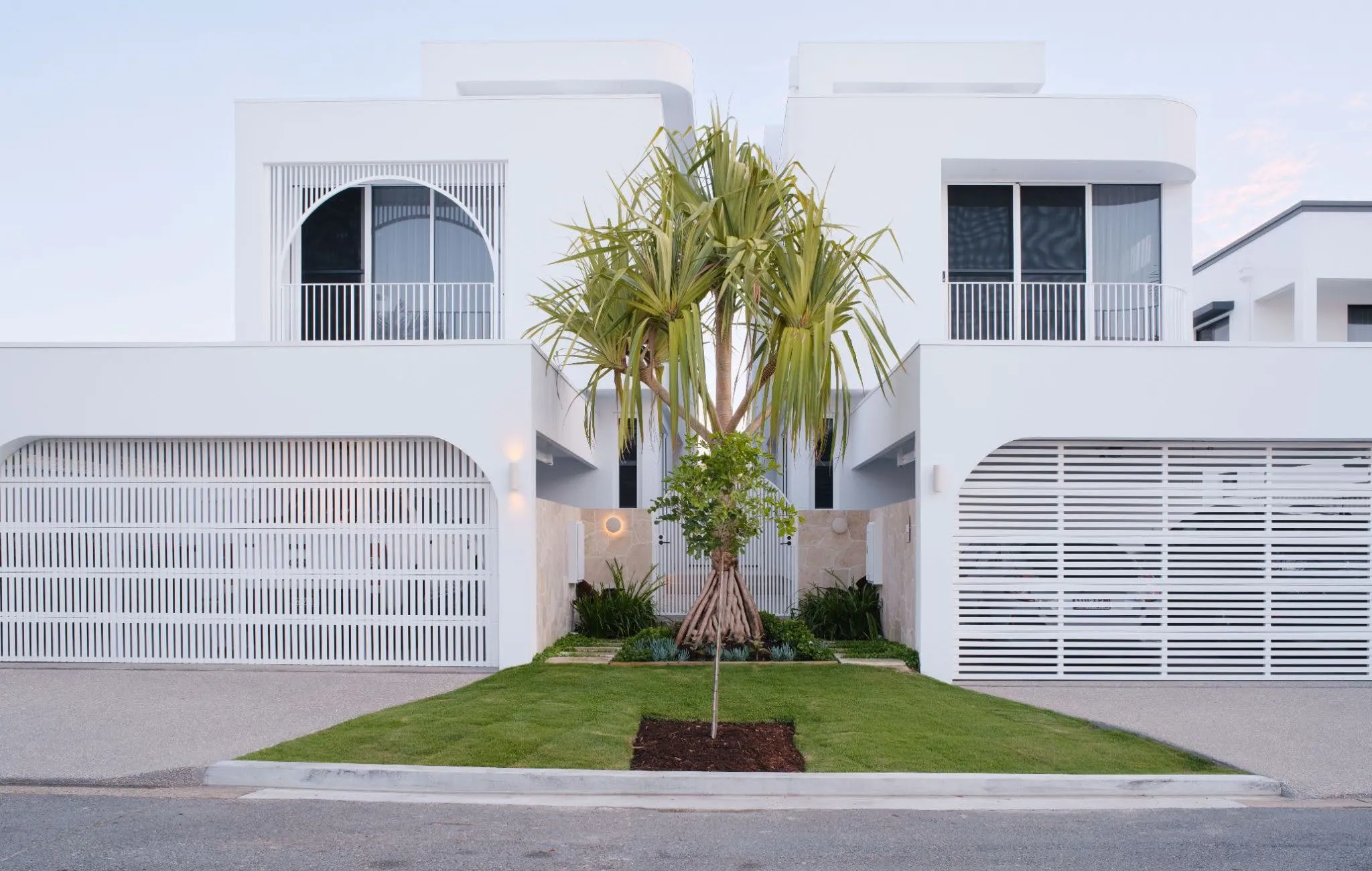
The exterior is one of the first things people notice about a property, making the façade an important consideration during a renovation.
Older finishes, mismatched additions and worn surfaces can make a home feel dated. Updating the exterior with render can help bring different elements together and create a more cohesive, luxury architectural style.
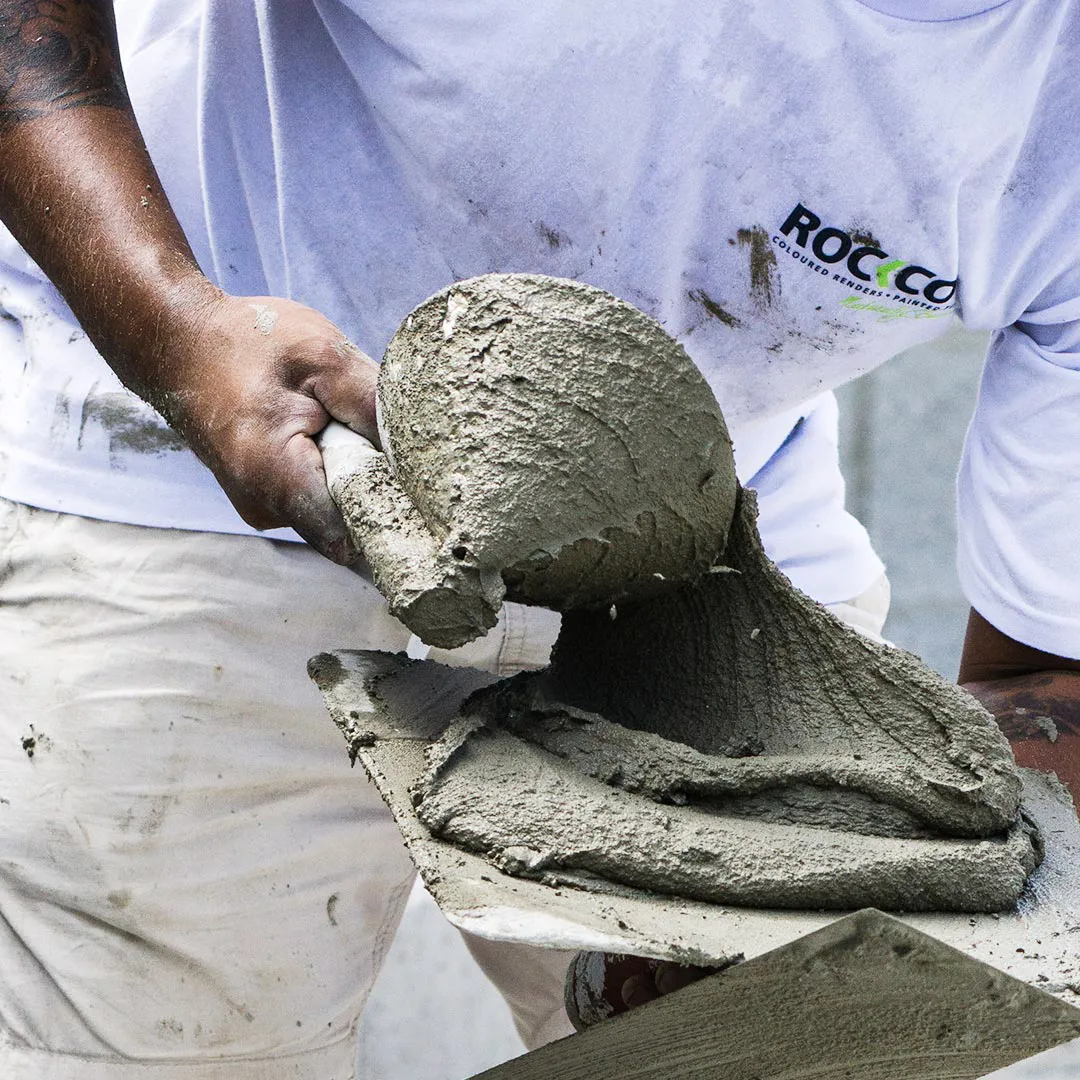
Depending on the existing substrate and the finish you want to achieve, your builder or professional applicator may recommend different options.
Rockcote offers a range of cement and modified cement renders, acrylic renders and coloured renders, textures and specialty finishes.
Texture is also worth considering. A subtle finish can complement a contemporary renovation, while a more expressive texture can help give the exterior depth and character.
The key is to choose the finish as part of the broader architectural design rather than treating render as an afterthought.
2. Introduce Feature Finishes in the Right Places
A home does not need an elaborate finish on every surface to feel high end.
Often, a carefully chosen feature material can have more impact.
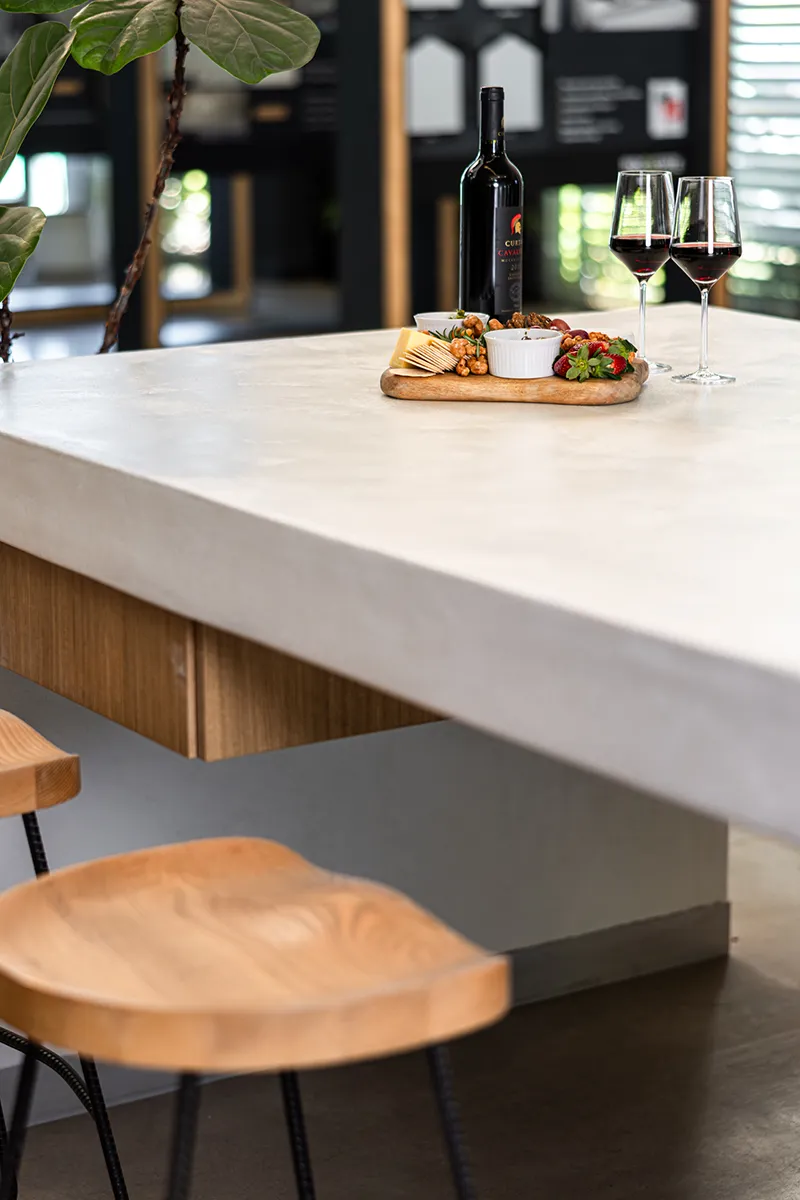
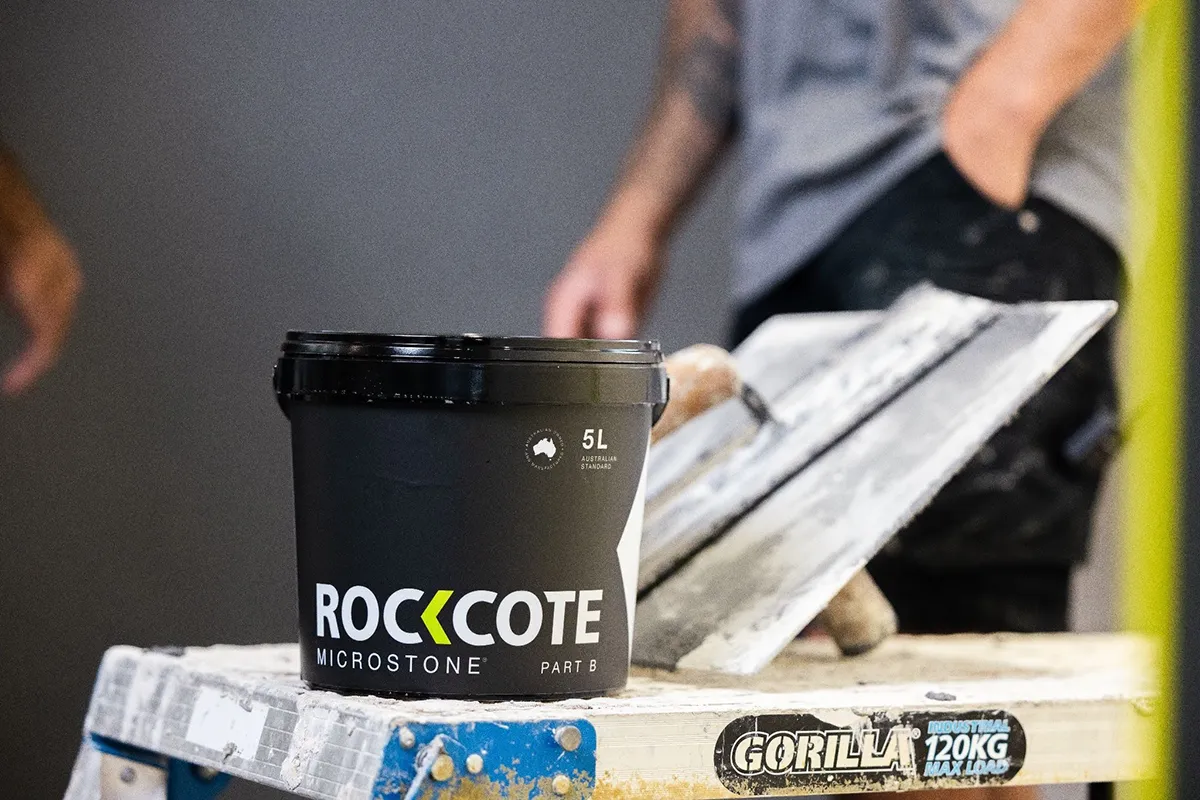
For renovations with a strong architectural focus, finishes such as Rockcote MicroStone can introduce the appearance and texture of natural stone across selected surfaces.
MicroStone is a decorative microcement finish that can be used across a range of appropriately prepared surfaces. Different application techniques can create finishes ranging from smoother surfaces to more textured, natural stone-like looks.
Rather than adding feature finishes everywhere, consider where they will have the greatest visual effect. This could include a feature wall, bathroom, floor, benchtop or another architectural detail within the home.
Speak with your builder and applicator early so the chosen finish, substrate preparation and surrounding materials can be considered together.
3. Give Tired Surfaces a Fresh Finish
Sometimes increasing the perceived quality of a home is less about adding something new and more about addressing what has become tired.
Faded exterior surfaces, damaged walls or inconsistent colours can distract from other renovation work.
A refreshed colour palette can help connect old and new areas of the property. The same principle applies outside. Updating the façade colour and finish can make additions feel more integrated with the original building.
Rockcote’s range of membranes, paints and clear finishes provides options that can form part of a professionally specified render or finishing system.
Colour selection should also relate to other permanent elements such as roofing, flooring, stone, joinery and landscaping. Creating that relationship between finishes can make the overall renovation feel far more considered.
4. Update the Kitchen Where It Counts
The kitchen is one of the most visible and heavily used parts of a home, so it is often high on the renovation list.
However, improving it to feel more luxurious does not always mean starting again.
Talk to your builder about which elements genuinely need updating. Depending on the existing kitchen, that might include:
- Benchtops
- Cabinetry
- Splashbacks
- Flooring
- Lighting
- Fixtures and fittings
- Wall finishes
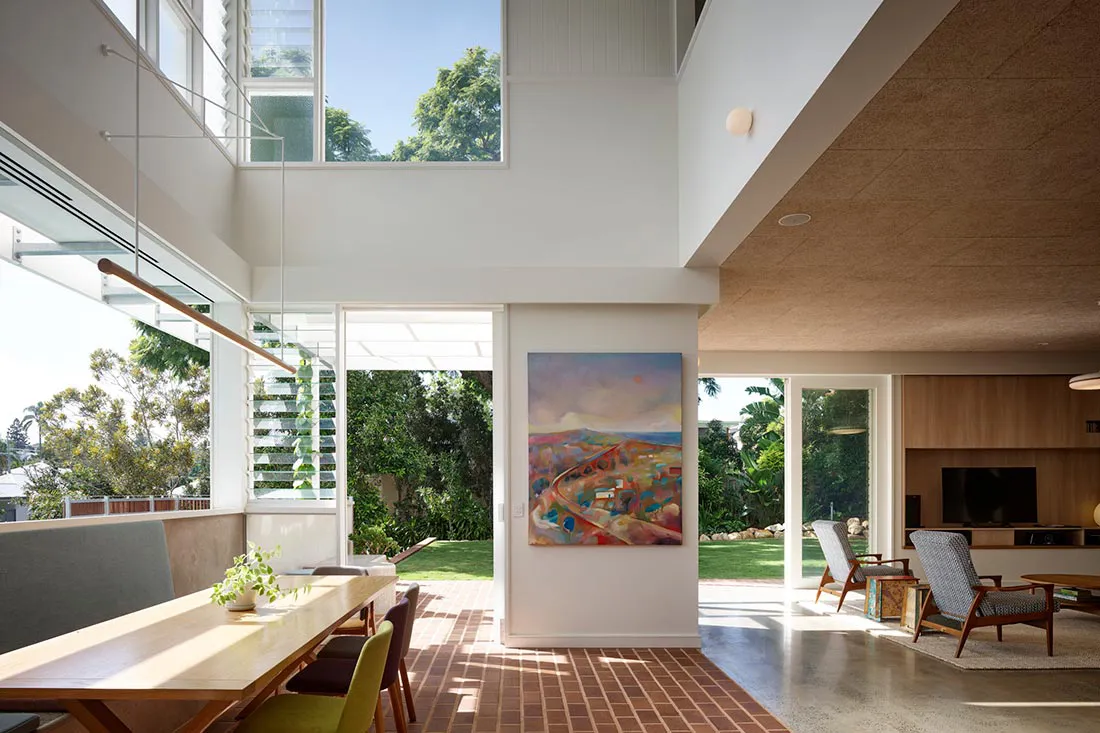
Think about the kitchen as part of the wider interior rather than designing it in isolation.
For example, repeating tones, textures or materials found elsewhere in the home can help the kitchen sit naturally within an open-plan space.
5. Repair or Replace Tired Flooring
Flooring covers a large visual area, which means worn or mismatched floors can have a major effect on the overall presentation of the home.
During a renovation, consider how flooring moves from one room to another. Too many abrupt changes in colour, material or level can make spaces feel disconnected.
The right solution will depend on the property, how each room is used and the existing substrate.
In some renovations, replacing flooring may be appropriate. In others, repairing or refinishing an existing surface may make more sense.
Discuss the condition of existing floors with your builder before deciding where to invest.
6. Refresh Bathrooms With the Whole Home in Mind
Bathrooms are another common focus for renovations, particularly where fixtures, surfaces or layouts have become dated.
The same design principles apply here as elsewhere in the home. Look beyond individual fixtures and think about how the bathroom relates to the wider renovation.
Consider:
- Wall and floor surfaces
- Storage
- Lighting
- Fixtures and fittings
- Colour
- Texture
- Layout
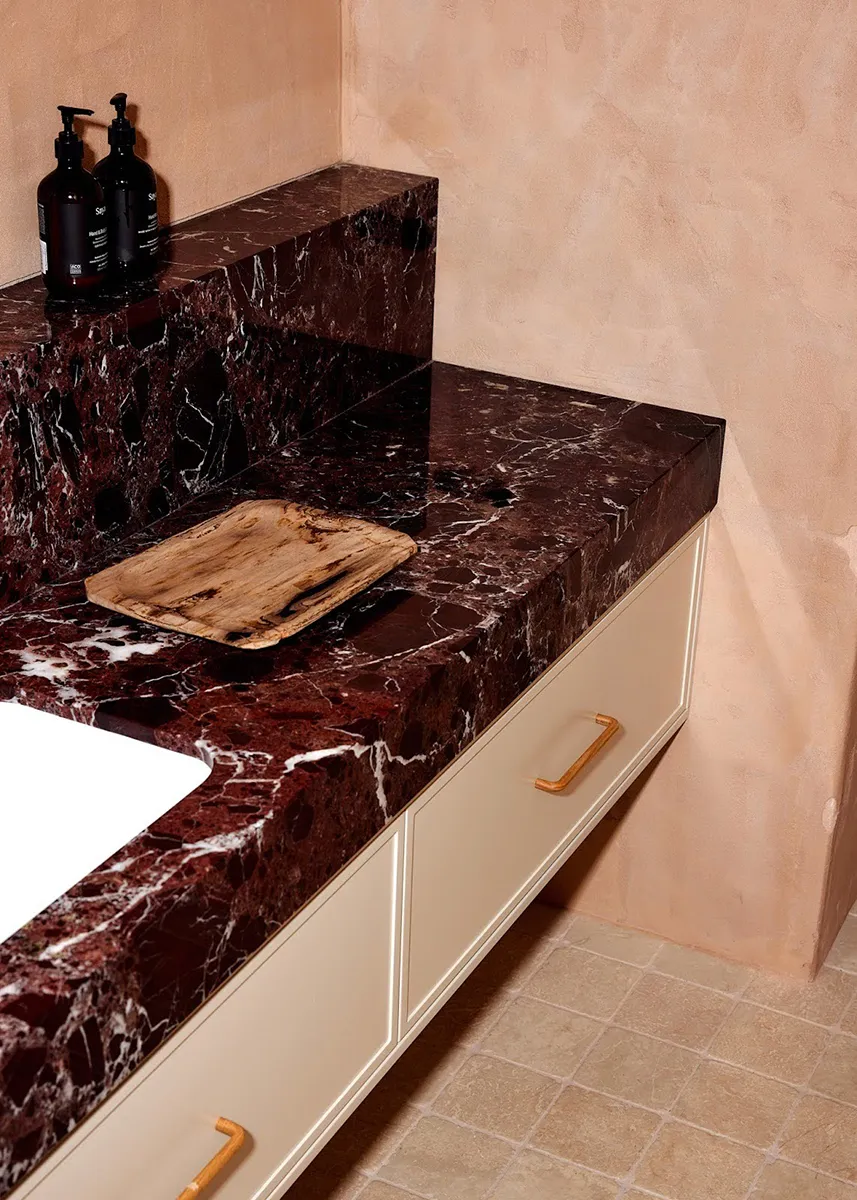
If you are creating a more architectural or luxurious home, specialty finishes such as microstone or decorative coatings such as limewash, may also provide an alternative to conventional surfaces in suitable applications.
Again, the chosen system and installation requirements should be discussed with your builder and relevant trades rather than approached as a DIY project.
7. Don’t Overlook Street Appeal
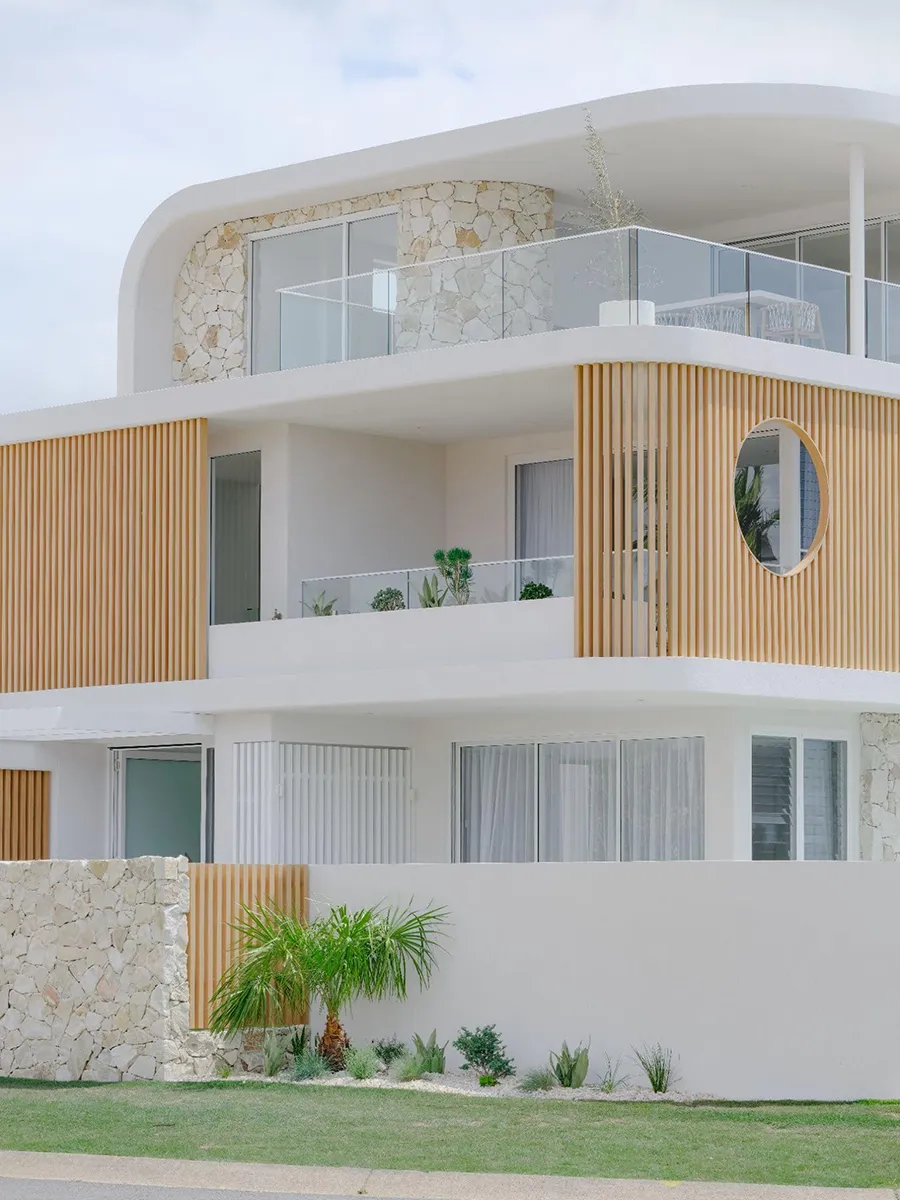
You can spend heavily inside a property and still leave it feeling unfinished if the exterior has been neglected.
Street appeal is created by several elements working together.
That can include the home’s:
- Façade
- Render and exterior finish
- Colour palette
- Entrance
- Landscaping
- Driveway and paths
- Windows and architectural details
For homes that have been extended over time, the exterior finish can be especially important. A considered façade can help visually connect the original home with newer additions.
This is also an area where texture can play a significant role. Rather than relying only on colour, a rendered or specialty finish can add depth and character to the architecture.
How to Make a Renovated Home Feel More High End
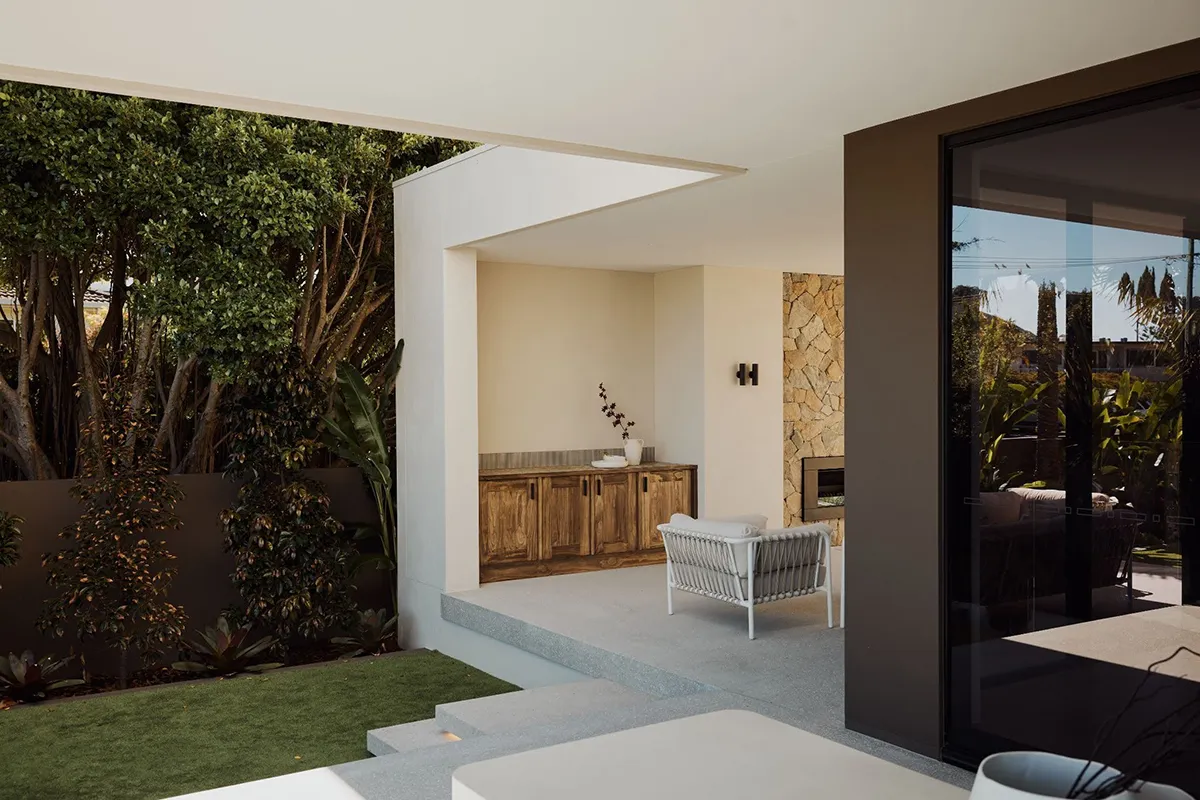
Making a home feel high end does not necessarily mean selecting the most expensive option for every element.
Good residential design often comes down to restraint and consistency. Consider:
- Keeping the material and colour palette cohesive
- Investing in surfaces that have a strong visual impact
- Using texture to add depth and interest
- Addressing damaged or unfinished surfaces
- Creating a clear relationship between existing areas and new additions
- Choosing finishes that suit the architectural style of the home
- Prioritising quality workmanship and professional application
These considerations become particularly important during a major renovation, where existing architecture and new work need to come together as one home.
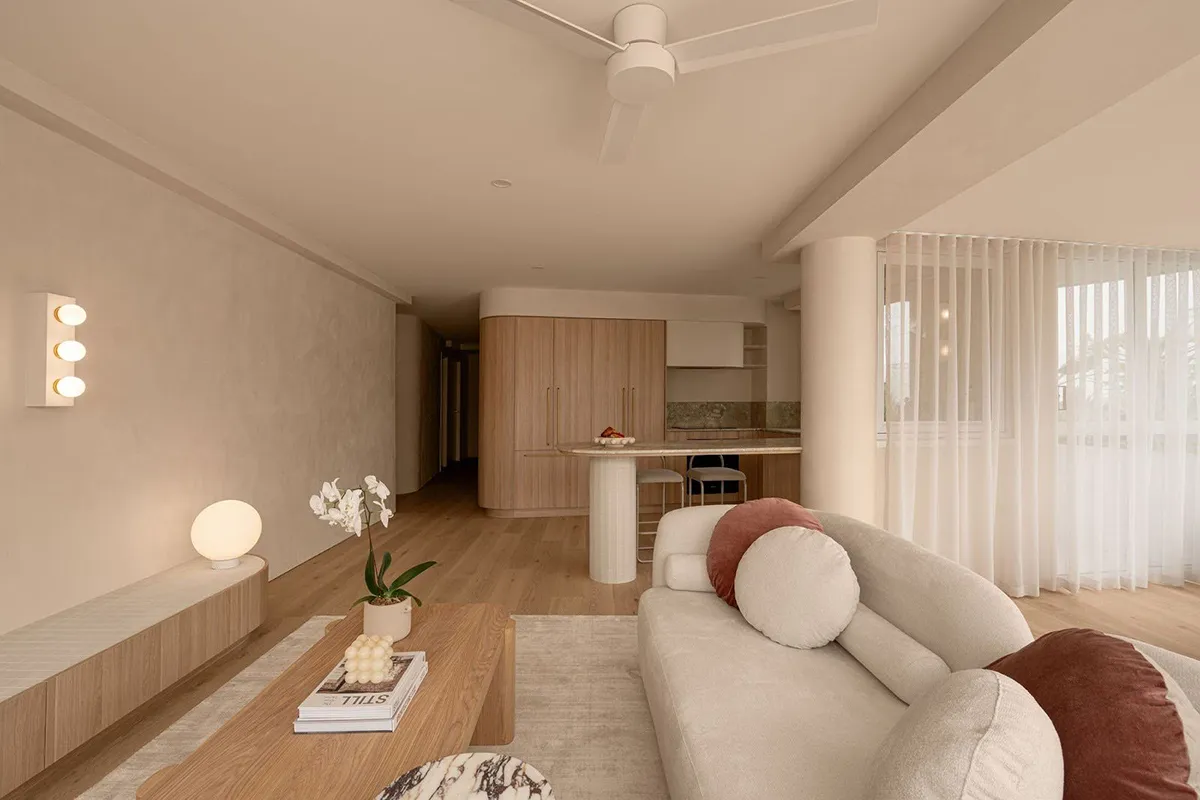
Plan the Renovation Before Choosing Individual Finishes
One of the easiest ways for a renovation to lose cohesion is to make major design choices one at a time.
Before selecting individual colours, surfaces and materials, work with your builder or designer to establish what you want the finished home to feel like.
Think about:
- Which existing elements will remain
- Which surfaces need repair or replacement
- Where feature finishes will be most effective
- How interior and exterior colours relate
- How new additions connect with the original home
- Which improvements should take priority within the available budget
Doing research and planning these decisions together can help avoid a home where each renovated area looks good on its own but the property as a whole feels disconnected.
It also gives your builder and applicators the opportunity to assess substrates, preparation requirements and the right products or systems for each part of the project.
Choosing Finishes for Your Renovation
If you’re planning renovations to increase home value, think beyond individual rooms and consider the property as a whole.
A refreshed façade, well-planned colour palette, repaired surfaces and carefully selected feature finishes can all contribute to a home that feels more complete and considered.
Rockcote offers a broad range of render, texture, paint and specialty finishing products for residential projects, including:
- Wall and floor surfaces
- Storage
- Lighting
- Fixtures and fittings
- Colour
- Texture
- Layout
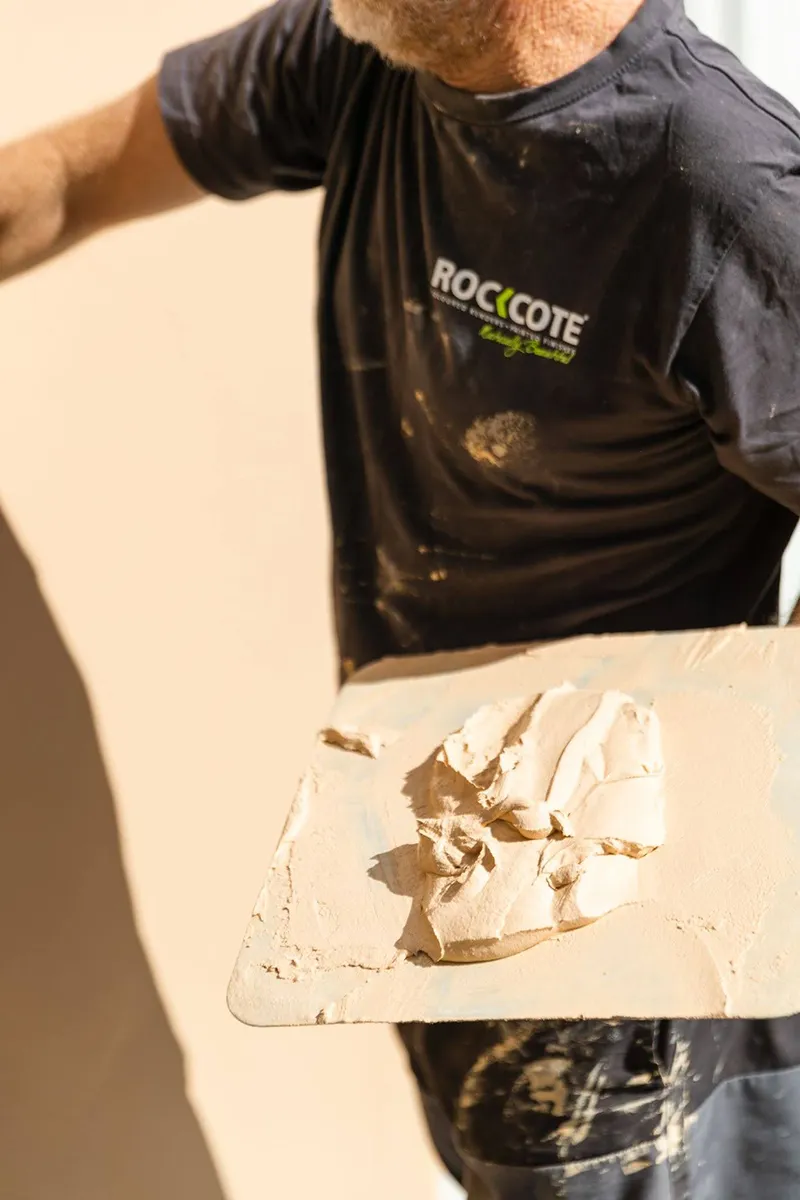
Visit your local Rockcote Trade Hub or distributor for samples, technical information and training, or contact the Rockcote team to find out more.
FAQs About Renovations That Increase Home Value
What renovations increase home value the most?
There is no single renovation that will add the most value to every property. The condition, location, style and existing features of the home all matter. Kitchens, bathrooms, flooring, exterior presentation and general finishes are common areas homeowners consider because they can have a noticeable effect on how a property looks and functions.
Is rendering worth considering when renovating a house?
Rendering may be worth discussing with your builder if the exterior is dated, different parts of the façade need to be visually connected or you want to change the architectural finish of the home. The right render system will depend on the existing substrate and desired result.
How can I make my home look more luxurious without renovating everything?
Focus on consistency and a small number of high-impact changes. A cohesive colour palette, refreshed surfaces, considered lighting, quality flooring and strategically placed architectural finishes can help create a more resolved look without changing every part of the home.
Should I renovate my home before selling?
That depends on the property’s current condition, your local market and the cost of the proposed work. Before committing to a major renovation purely for resale, consider speaking with your builder and local property professionals about which improvements are appropriate for the property.
How can I avoid overcapitalising on renovations?
Start with a clear budget and prioritise the areas that need attention most. Consider the condition and value of the property and avoid making isolated upgrades without looking at the home as a whole. Your builder can also help you understand the scope and cost of proposed renovation work before you commit.